Artist's commentary
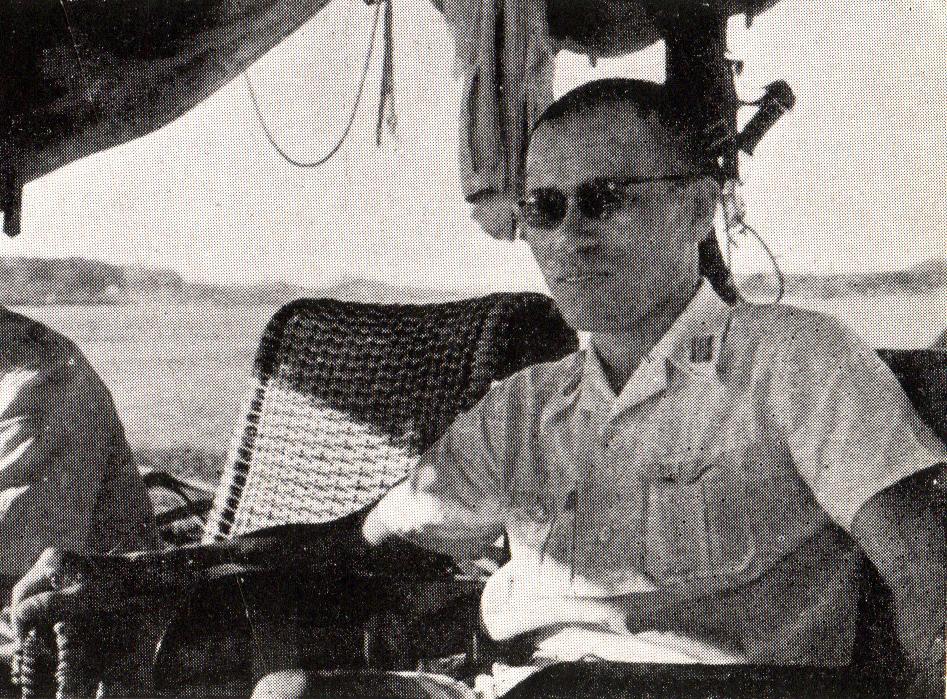
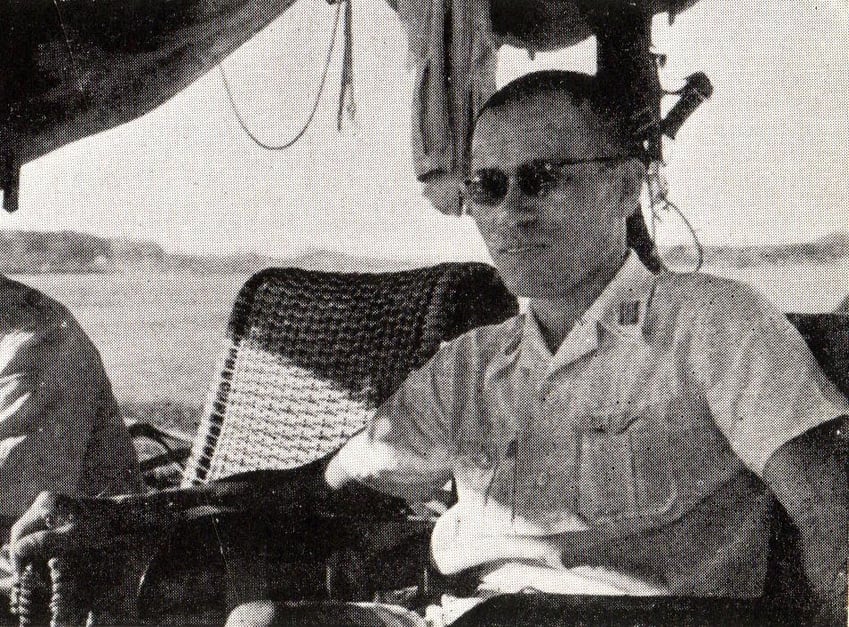
Tateo kato
Japanese ace Tateo kato, In 1936, Kato became commander of the 5th Rentai and with the outbreak of the Second Sino-Japanese War in 1937, he became commander of the 2nd Daitai, equipped with Kawasaki Ki-10 'Perry' biplane fighters, which quickly achieved air superiority over northern China. Katō claimed nine Chinese fighters during his rotation, making him the top-scoring Army pilot in China during the period 1937-41, Katō returned to Japan in 1939 to attend the Army Staff College and was assigned to the headquarters staff of the Imperial Japanese Army General Staff. He also visited Europe on assignment together with General Hisaichi Terauchi, and inspected the Luftwaffe in Germany. During this period he was also promoted to major. In 1941, with the start of the Pacific War, Katō was again given a combat command – this time as commander of the 64th Sentai, based at Guangzhou, China, and equipped with the latest Nakajima Ki-43 Hayabusa fighters His unit participated in the early stages of the war, especially distinguishing itself during the Battle of Malaya. The 64th Sentai was based at Duong Dong airfield on Phu Quoc Island to provide cover for the Japanese invasion fleet bound for Malaya, and to attack ground targets in Malaya and Burma. Under Katō's command, the unit recorded over 260 aerial victories over Allied aircraft. He disallowed individual victory credits for the sake of teamwork. Katō was promoted to Lieutenant Colonel in February 1942. However, only three months later, on May 22, 1942, while over the Bay of Bengal, Katō was killed in action while attacking a flight of Royal Air Force Bristol Blenheim bombers. Katō,was posthumously promoted two steps in rank to that of Major General, and was honored by a special State Shinto ceremony at Tokyo's Yasukuni Shrine as a "god of war" in mid-October 1942. Katō's heroism had considerable propaganda value, and the Japanese government sponsored a movie titled Katō Hayabusa Sentotai (加藤隼戦闘隊) glorifying his life story.
Leave a comment